 3 days
Mount Meru in Three Days
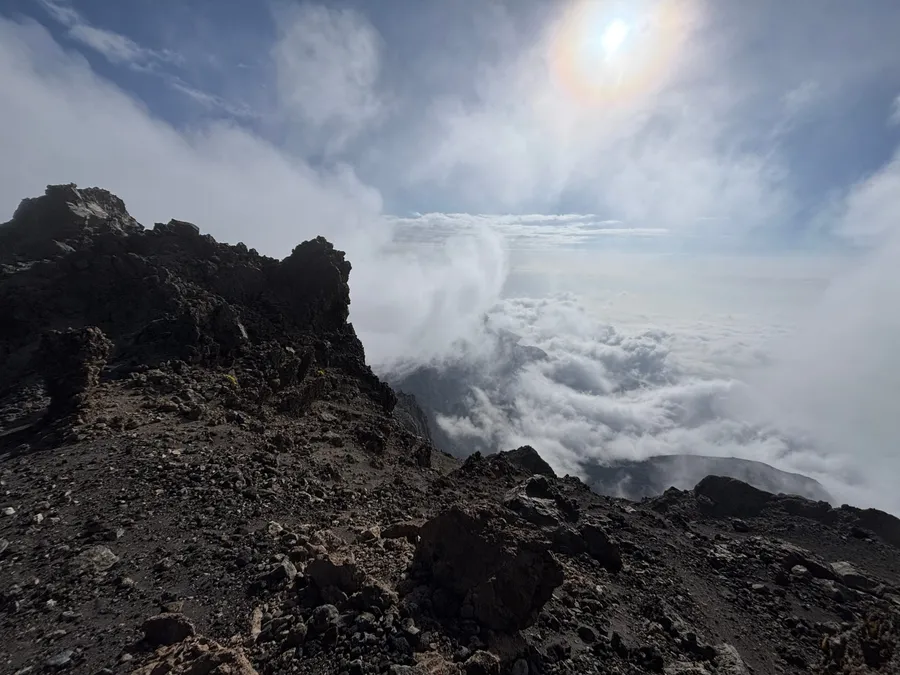
Meru compressed into a long weekend — up to the Saddle on day two, summit and all the way down on day three. Hard on the legs, short on the calendar.
Climbing

Kilimanjaro and Meru
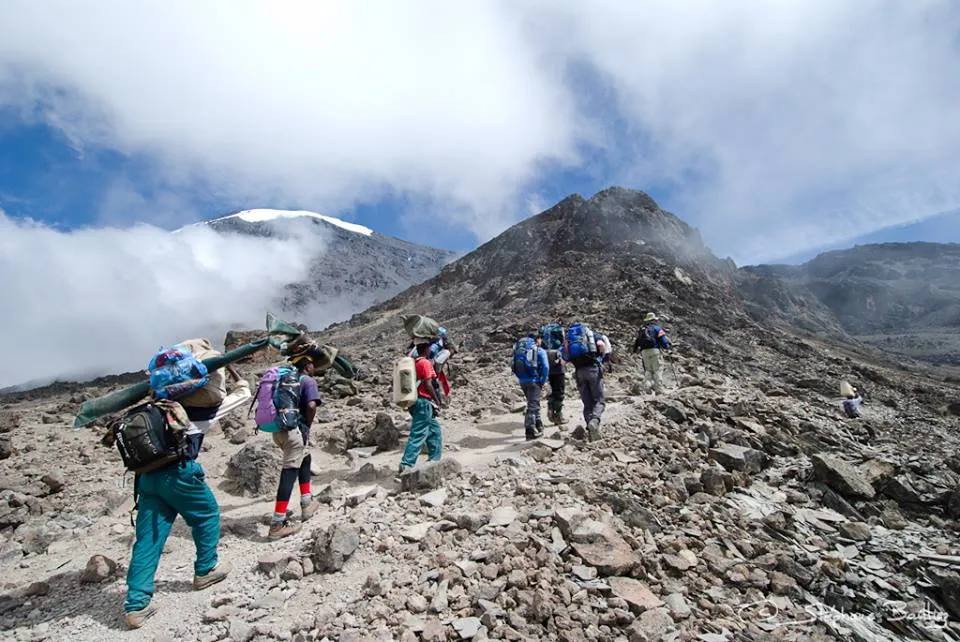
The route decides how well you acclimatise, how much company you have and whether you sleep in a tent or a hut.
Uhuru Peak is 5,895 m and the walking is not technical. Altitude is what turns people back, and altitude is a function of days. Almost everything else on this page follows from that one sentence.
Choose a route
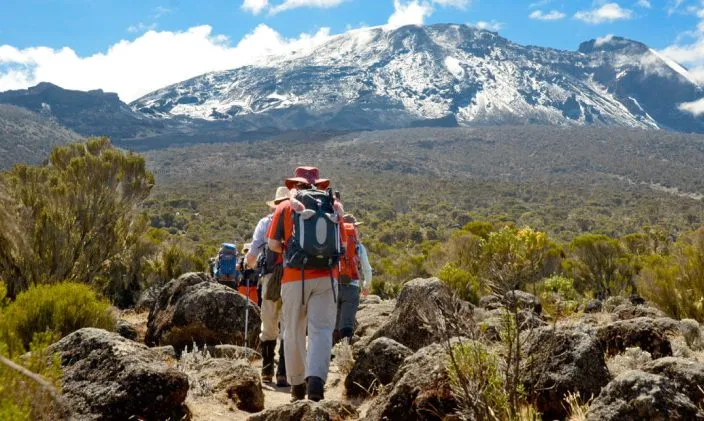
Known on the mountain as the Whiskey route. It climbs through rainforest onto the Shira plateau, traverses beneath the southern ice fields and drops off the Mweka side, so you never walk the same ground twice. Popular, and busy in the middle sections for that reason.
Some hiking behind you. Seven days gives the acclimatisation the six-day version does not.
The only route with permanent huts rather than tents, and the only one that comes down the way it went up. Shorter, drier underfoot, and the least scenic variety of the six — the trade is comfort and a fixed roof at every stage.
Anyone who would rather sleep in a bunkhouse than a tent. Add the extra acclimatisation day.
The only route that starts on the north side, near the Kenyan border. Drier country, fewer people, and a long approach across the saddle before it joins Marangu at Kibo for the summit night.
The rainy months, when the southern routes are wettest, and anyone wanting quiet on the way up.
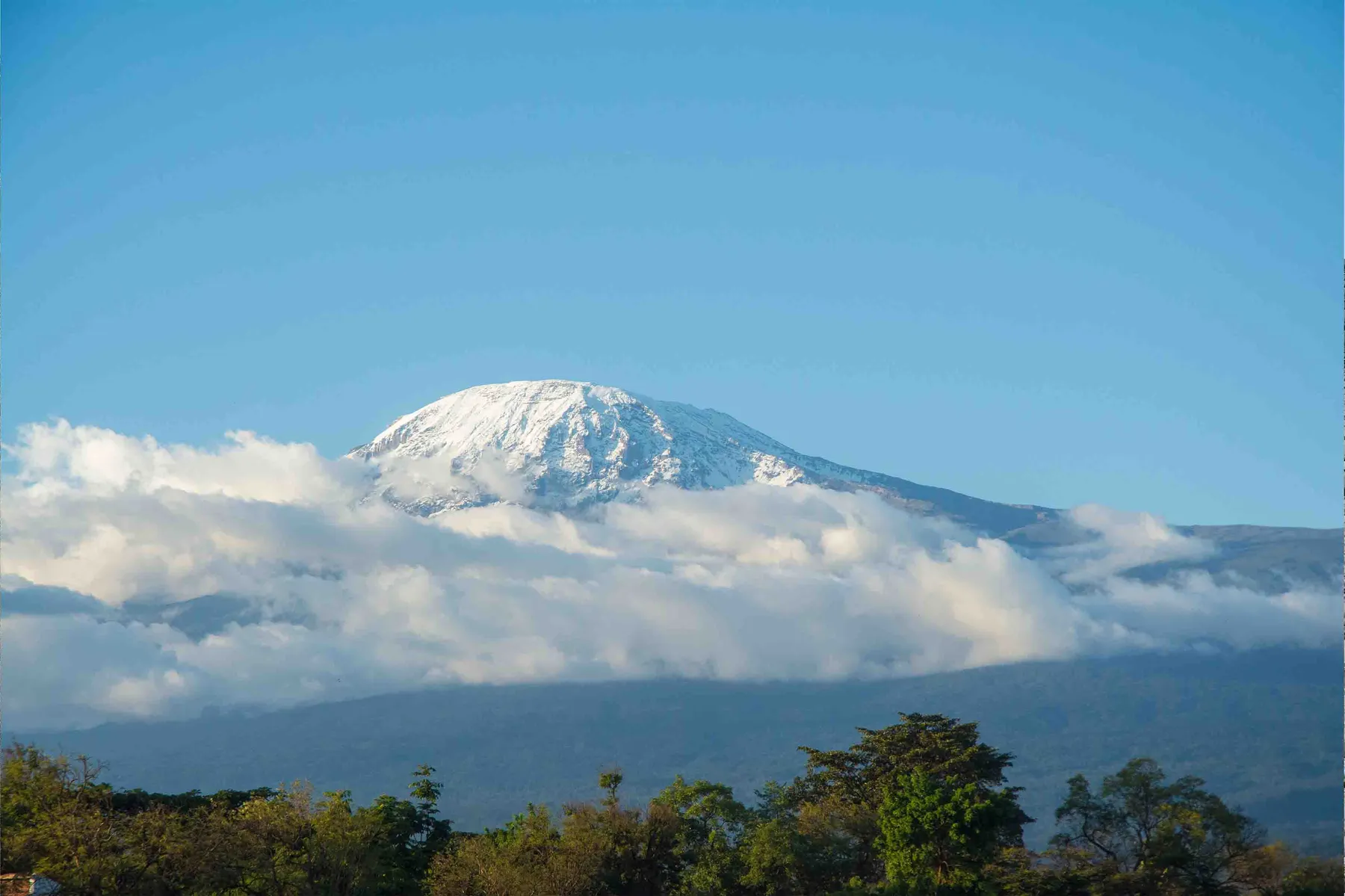
The steepest and most direct line on the mountain. Very little traffic, ridge walking above the forest almost immediately, and a fast gain in altitude that leaves no margin for a slow acclimatiser.
Experienced trekkers who already know how their body handles height. Not a first ascent.
The long way in, from the west across the Shira plateau. Two days of walking before the mountain proper, which is exactly why the summit rate on it is the best of the six. Remote at the start, and joins the southern trail later.
Anyone whose priority is standing on the top rather than getting there quickly.
A different mountain: 4,562 m inside Arusha National Park, walked with an armed ranger because the lower slopes hold buffalo and elephant. The final ridge is narrow and the summit looks straight across at Kilimanjaro at dawn.
A serious climb in its own right, and the best acclimatisation there is before Kilimanjaro.
Days, not fitness
An extra night below 4,000 m does more for your chances than months in a gym. We will always argue for the longer version.
Meru first
Four days on Meru before Kilimanjaro is the single most useful thing you can add to the trip.
Season
January to March and June to October are the driest windows. Rongai holds up best in the wetter months.
The crew
Guides, cooks and porters are paid to KPAP-aligned rates and carry legal loads. It is in the price, not an add-on.
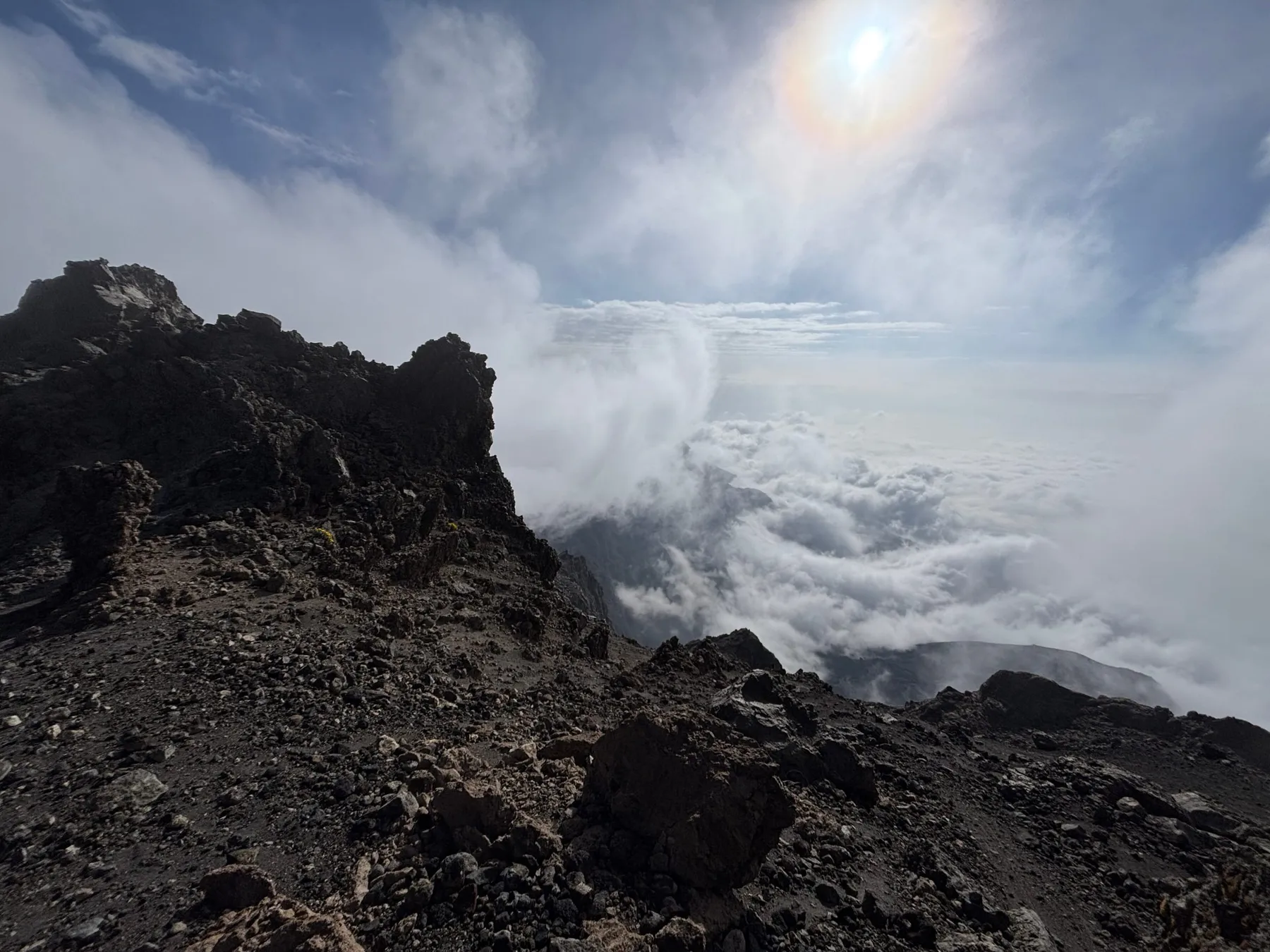
Arusha National Park
Meru sits an hour from our office and is climbed by a fraction of the people who fly in for Kilimanjaro. It starts at Momella gate, goes up through giraffe and buffalo country with a ranger, and finishes along a crater rim narrow enough to concentrate the mind.
Northern Tanzania, on the ground →Day-by-day, what is included and what it costs. Every one of them can be lengthened, or bolted onto a safari.
3 days Meru compressed into a long weekend — up to the Saddle on day two, summit and all the way down on day three. Hard on the legs, short on the calendar.
Climbing
4 days The unhurried version: two nights at Miriakamba and Saddle Hut, summit on the third morning, walk out on the fourth. Better for altitude, better for the legs.
Climbing
 6 days
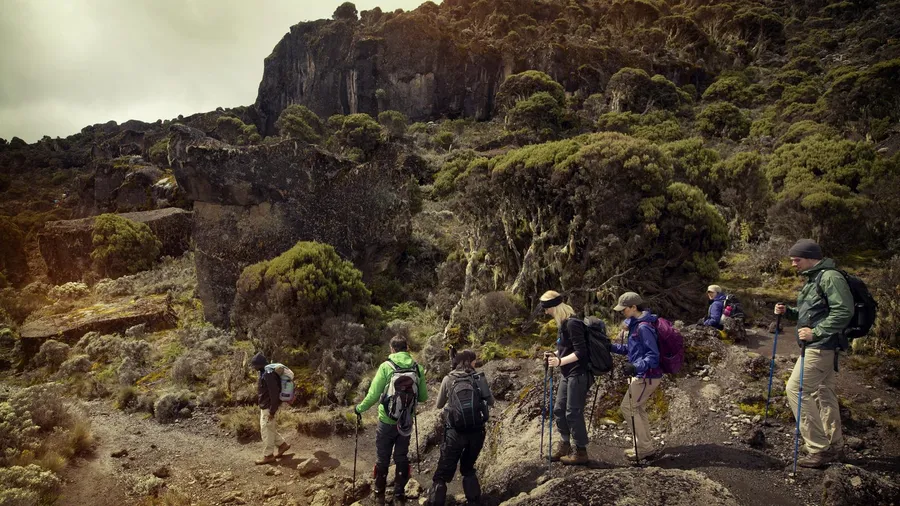
The only route with huts rather than tents, and the shortest on the mountain. We build in the acclimatisation day, because without it the summit rate drops.
Climbing
We will tell you which of the six that buys, and whether to spend two of them on Meru first.
Copyright © 2026 Terra Tanganyika, All rights reserved. Photograph credits