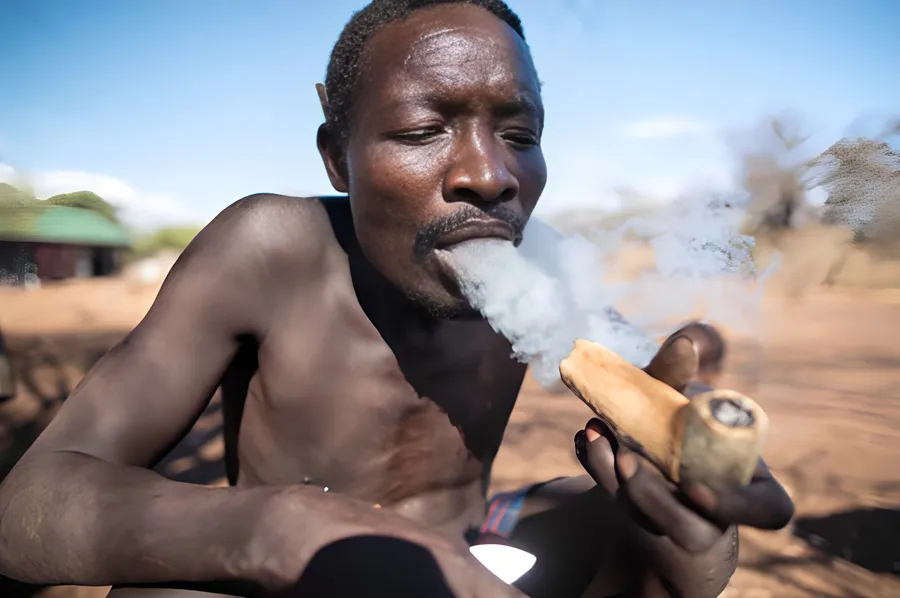
 7 days
Tarangire, Serengeti & Lake Eyasi
The northern parks with two days at Lake Eyasi on the end, where the Hadzabe and Datoga communities live — the part of the route people remember.
Wildlife & Culture

Every park in the north in one run, finishing at Lake Natron rather than turning back at the crater — which is what makes it eight days and not six.
Opens your browser’s print dialog. Choose “Save as PDF” to keep a copy.
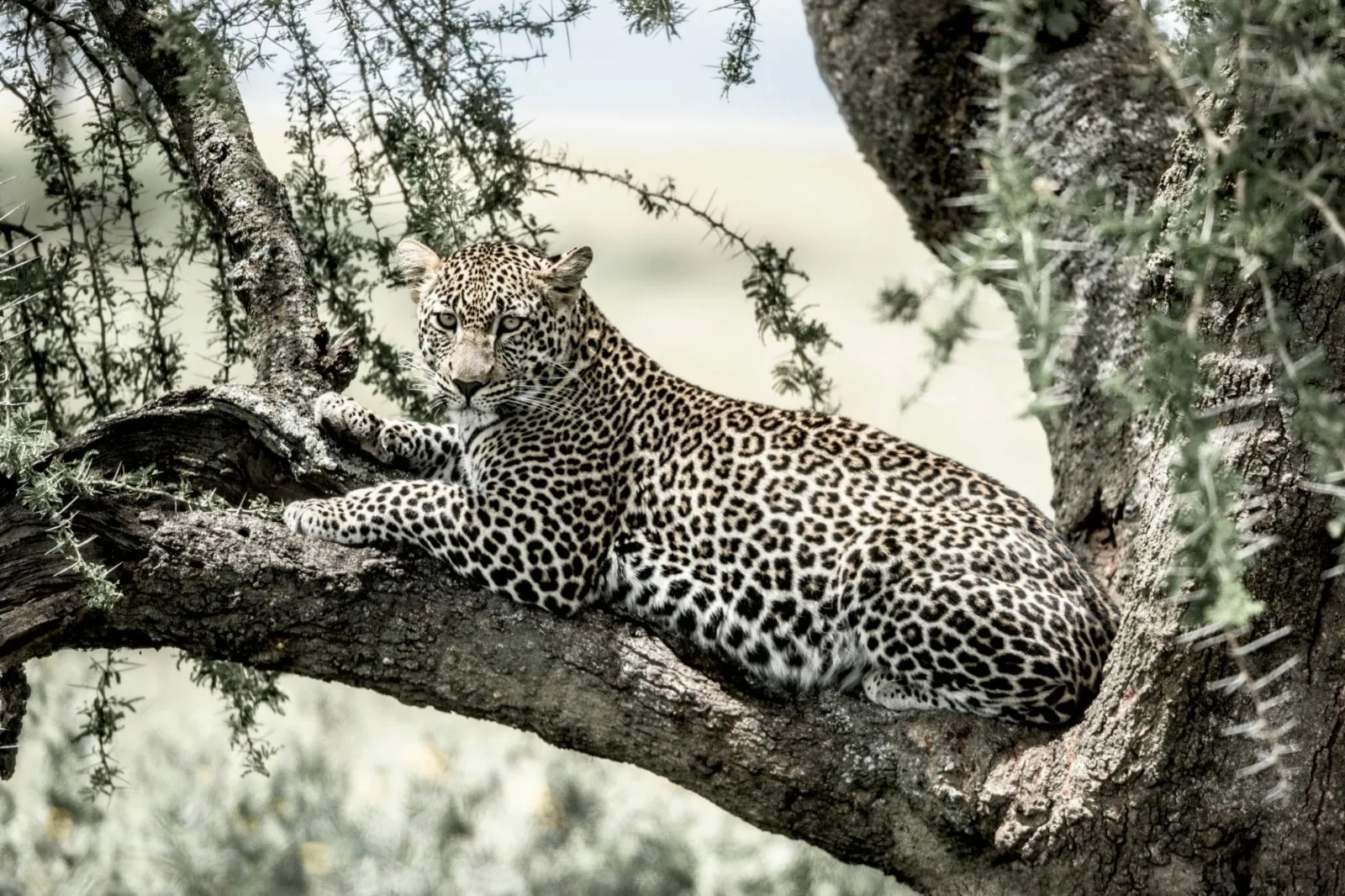
This is the full northern loop: Tarangire’s elephants, a day at Manyara, the crater, then north through Olduvai into the Serengeti and up to the Mara River. Rather than retrace the road to Arusha, it drops east to Lake Natron and the foot of Ol Doinyo Lengai.
Pickup from Arusha with a picnic lunch, then an evening game drive in Tarangire. The park covers 2,600 sq km and was established in 1970. The park has numerous baobab trees that will primarily catch your attention. The Tarangire River draws massive dry-season herds — wildebeest, zebra, eland, elephant, hartebeest, buffalo, and fringe-eared Oryx — migrating from Lake Natron to its brackish waters. Elephants dig for underground streams in the dry riverbed. Tarangire National Park is said to have the highest recorded number of breeding bird species for any habitat in the world.
Stay Legendary Lodge, Lake Burunge Tented Camp or Kigongoni Campsite Meals Lunch & Dinner
Drive to Lake Manyara National Park via Mto wa Mbu Village with a picnic lunch. The park stays green through the year and looks out over the Great Rift Valley. The fig forest hosts monkeys and 350 species of birds, with possible tree-climbing lion sightings. The Treetop Walkway is a 370m airwalk that gradually rises from ground level up through the forest's canopy — visitors walk over a series of suspension bridges with thick netting on the sides and reach a height of 18m off the ground, with platforms around tree trunks serving as viewing decks among butterflies, monkeys and birds. Evening cultural tourism programme in Mto wa Mbu Village: banana and rice plantations, primary schools, orphanages, local markets, carvings and families.
Stay Lake Manyara Tree Top, Lake Manyara Wildlife or Panorama Safari Camp Meals Breakfast, lunch, dinner
Descend to the crater floor for a game drive. Ngorongoro is the largest collapsed volcanic crater in the world with fourteen kilometres of isolated natural beauty, ringed by extinct volcanoes; the floor, dotted with watering holes, shelters some 30,000 animals. Expected sightings: lions, elephants, Zebras, Hippos, Flamingos, Jackals, Rhinos, Antelopes, and many birds including eagles, vultures, storks, bats, sacred ibis, kori bustards, blacksmith plovers, herons and cattle egrets. Picnic lunch at the hippo pool, then ascend to the rim for overnight.
Stay Lemala Ngorongoro Crater, Ngorongoro Wildlife Lodge or Simba Public Campsite Meals Breakfast, lunch, dinner
En route to the Serengeti via Olduvai Gorge, The Cradle of Mankind, where Dr Leakey discovered early human remains; visit the small museum. Then north to the shifting sand (black dune), composed of volcanic ash from Oldonyo Lengai, [it] is being blown slowly westwards across the plains, at the rate of about 17 meters per year — roughly 9 m high and 100 m long in its curve, an impressive and fascinating experience that occurs throughout the year. Continue to central Serengeti for an evening game drive.
Stay Nyarusigwa Camp, Kati Kati Tented Camp or Seronera Campsite Meals Breakfast, lunch, dinner
Early morning game drive in the Seronera area, then full breakfast. Depart with a lunch box, driving north with game viewing en route. Non-migrating species such as elephant, buffalo, gazelle, zebra, lion, leopard, and cheetah can be seen all year round. The game viewing is excellent, and you can follow the game for long periods without seeing other vehicles – truly one of the forgotten corners of the Serengeti Plains. River trees line the waterways, home to kingfishers and fish eagles.
Stay Serengeti Under Bust Tops, Mara Kati Kati Tented Camp or Seronera Campsite Meals Breakfast, lunch, dinner
Early breakfast, then depart with a lunch box to the far north Serengeti at the Mara River, game viewing en route. In August and September the herds spread across the northern Serengeti. This river gushes north of Serengeti from Kenya's adjacent Maasai Mara Game Reserve. Watching the frantic herds of the wildebeest migration crossing the Mara River are often chaotic. Herds commonly cross north one day and return south days later.
Stay Lake Natron Viewpoint Campsite Meals Breakfast, lunch, dinner
Early breakfast, then depart with packed lunch to Lake Natron. Evening visit to the lake, one of the world's most alkaline lakes. Home to millions of tiny crustaceans, the lake is a haven for thousands of lesser flamingos and is one of the most important flamingo breeding grounds on earth. The area around the lake is dry and desolate. The strangely beautiful landscape is the attraction in this area. A strenuous walk up the stream reaches cascading waterfalls gushing from the mountains — an excellent swimming spot, with baboons and other wildlife often in the gorge. Early dinner, then a midnight transfer to ascend Ol Doinyo Lengai, 2878m (9650ft), in the heart of Maasai country and locally regarded as a sacred mountain.
Stay Lake Natron Tented Camp or Lake Natron Viewpoint Campsite Meals Breakfast, lunch, dinner
Descend mid-morning to the foothills of Ol Doinyo Lengai where safari vehicles transfer you to the campsite for a shower and brunch, then drive back to Arusha, ending at your hotel or the airport.
Meals Breakfast, lunch, dinner
Comfortable mid-range lodges and tented camps, inside the parks wherever the route allows.
A 4×4 with a roof hatch and a window seat for everyone, driven by your guide throughout.
Camps fill, and roads change with the rains. Where something has to change we substitute at the same level and tell you before you travel, not after.
What is included
Not included
7 days The northern parks with two days at Lake Eyasi on the end, where the Hadzabe and Datoga communities live — the part of the route people remember.
Wildlife & Culture
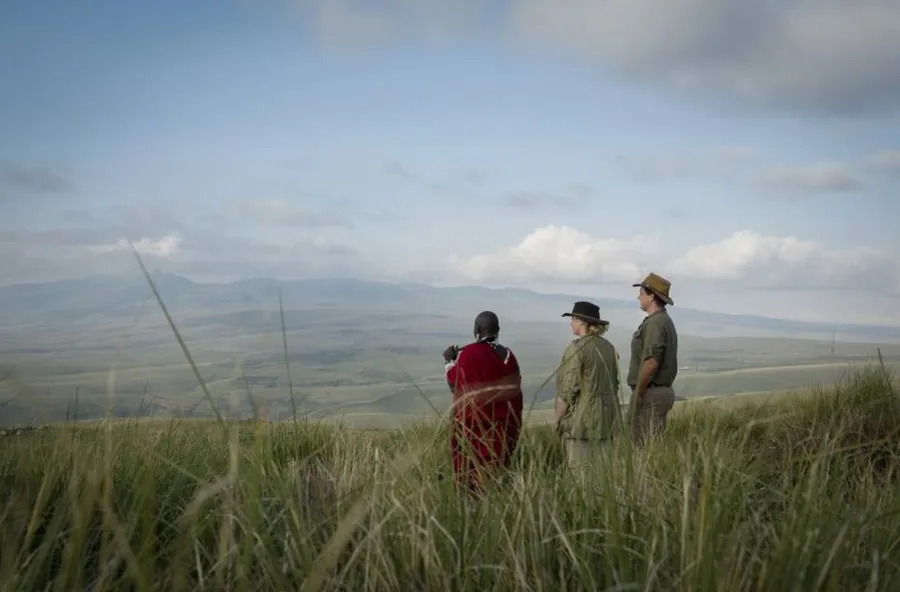 9 days
Three days of game drives, then five on foot across the volcanic highlands to Empakai and down the Rift wall to Lake Natron. Donkeys carry the loads.
Hiking & Wildlife
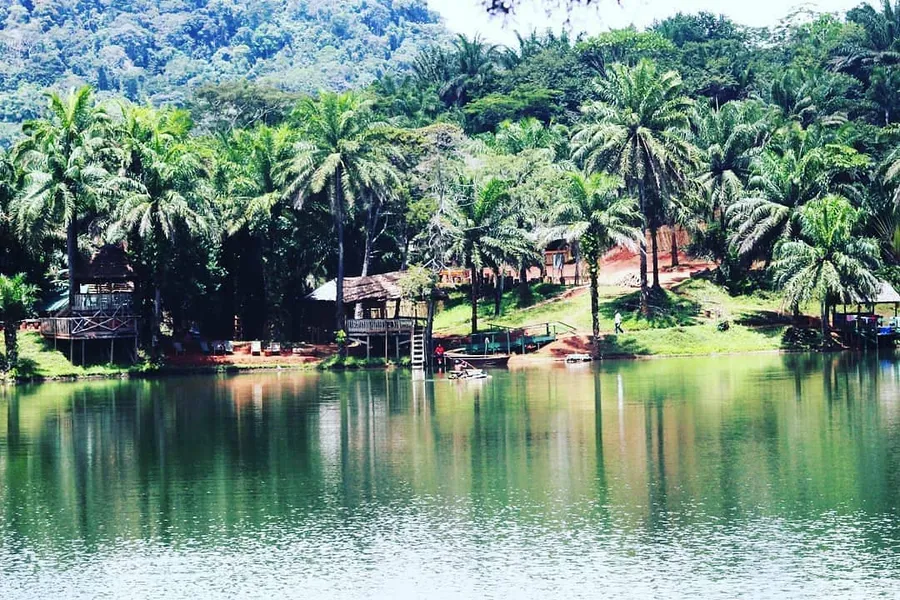 5 days
Forest first, coast second: a crater lake in the East Usambaras, then down through Pangani to the one national park on the Indian Ocean.
Hiking & Wildlife
Tell us what you would keep, what you would drop and how long you have. We will send back a version that is yours.
Copyright © 2026 Terra Tanganyika, All rights reserved. Photograph credits