 7 days
Tarangire, Serengeti & Lake Eyasi
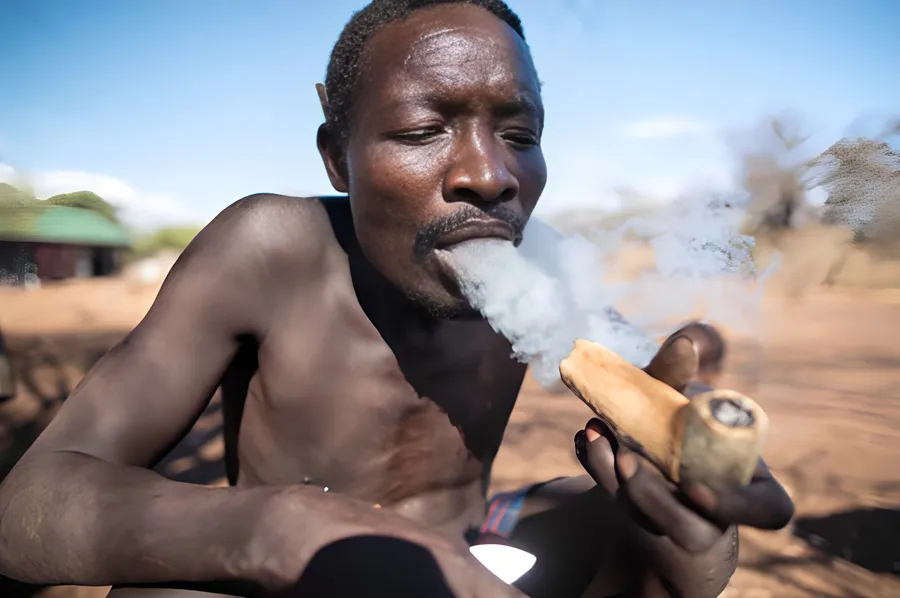
The northern parks with two days at Lake Eyasi on the end, where the Hadzabe and Datoga communities live — the part of the route people remember.
Wildlife & Culture

Public campsites, a cook travelling with you, and three nights in the Serengeti. The cheapest way to spend real time in the northern parks.
Opens your browser’s print dialog. Choose “Save as PDF” to keep a copy.
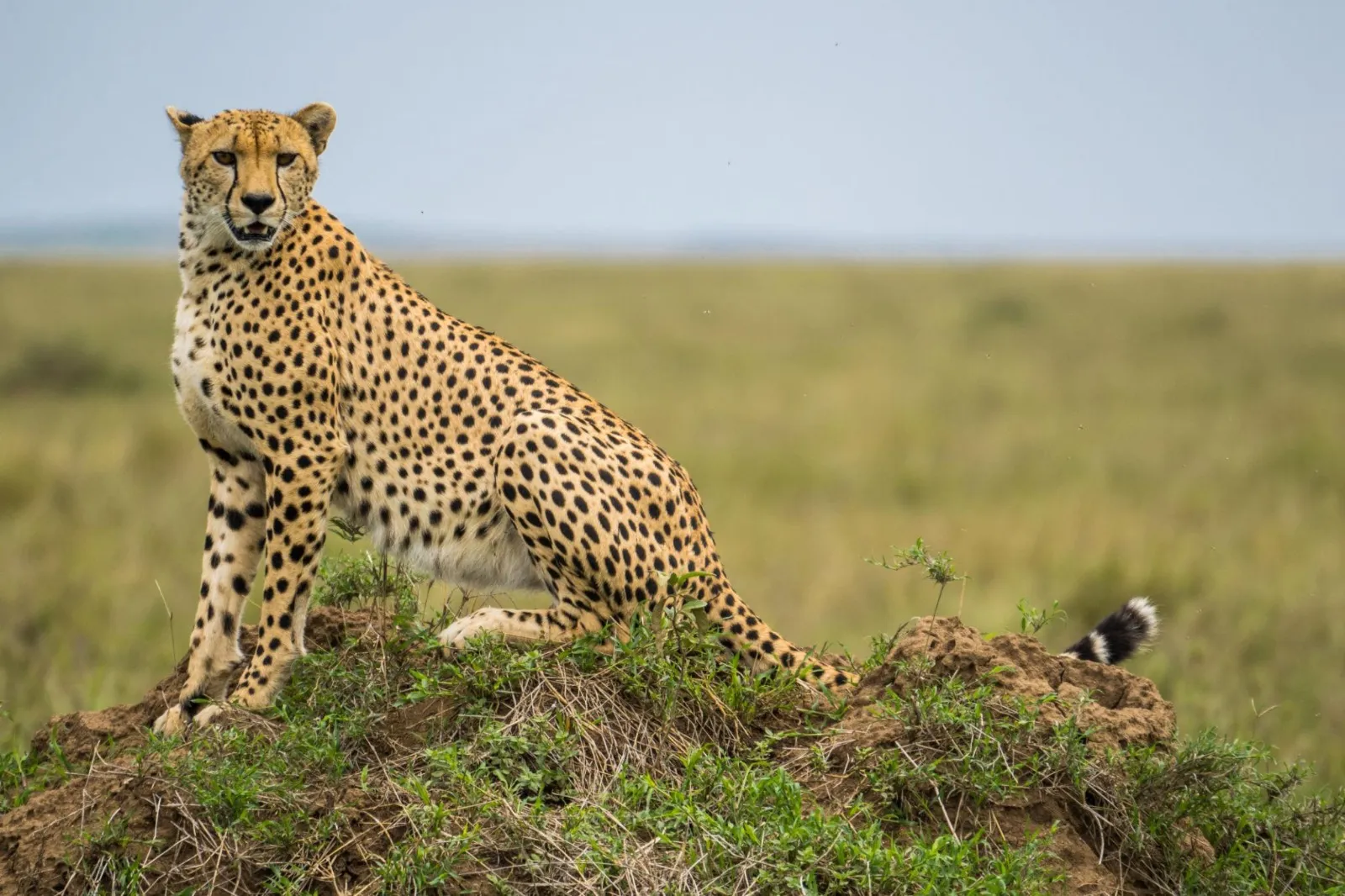
Camping in the northern parks means public sites inside the park boundaries, tents put up for you and a cook working over a fire. What you give up in comfort you get back in nights — this route spends three of them in the Serengeti.
Depart Arusha and travel toward Tarangire, a landscape of baobab-dotted plains and seasonal swamps, passing rural farmland and villages. Game viewing focuses on large elephant herds that the park is famous for, along with buffalo, impala, giraffe, and a variety of birds including raptors and colorful bee-eaters. The guide interprets tracks and behaviour, improving the chances of spotting lions or leopards among the acacia and baobab. A relaxed evening game drive follows as golden light washes the landscape, then a cooked dinner around the communal area and sleep beneath the stars listening to distant calls of nocturnal wildlife and the gentle rustle of the African bush.
Stay Tarangire Public Campsite Meals Lunch & Dinner
Wake to the dawn chorus of birds and the soft glow of sunrise over the plains. A guided wilderness walk (where permitted) covers insects, hoofprints, spoor, edible plants, medicinal herbs used by locals and signs of predator activity — intimate encounters with nature and a deeper appreciation for the park beyond viewing from a vehicle. Then by open safari vehicle through riverine woodland and marsh edges where elephants bathe and predators hunt, with interpretive commentary on animal habits, ecology, and conservation challenges in Tarangire. Picnic lunch under a tree, then back to camp for a warm meal and a campfire if permitted.
Stay Tarangire Public Campsite Meals Breakfast, lunch, dinner
An early morning game drive precedes breakfast, then the drive to the lively, multiethnic village of Mto wa Mbu, through changing landscapes from dry plains to irrigated farms around Lake Manyara. The village is a bustling local hub known for its colorful markets, fruit plantations, and cultural diversity. The village tour covers small-scale agriculture, banana and rice paddies, and local food preparation; visits to family-run farms show how irrigation and traditional knowledge sustain crops in this region. Taste fresh tropical fruits and local dishes. Later, a cultural visit with Maasai hosts showcasing traditions, attire, and customary practices, covering pastoralist life, livestock care, beadwork and social systems, with dance, song and handicraft demonstrations where appropriate — conducted with mutual respect and often contribute directly to local incomes.
Stay Fig Campsite Meals Breakfast, lunch, dinner
A full day exploring core Serengeti areas, following game movements and seasonal concentrations, moving between habitats—short grass plains, kopjes, and riverine thickets—to maximize chances of seeing predators working the landscape and migratory herds grazing. Multiple game drive stops, photography and a bush lunch. The guide explains predator-prey dynamics, migration patterns, and conservation issues that shape Serengeti ecology. Depending on season you may witness river crossings, large herds congregating, or territorial bulls. Camp emphasises simple comforts—hot meals, warm showers where available, and secure tented sleeping arrangements.
Stay Serengeti Public Campsite Meals Breakfast, lunch, dinner
A full day dedicated to the core areas, following game movements and seasonal concentrations across short grass plains, kopjes and riverine thickets, with picnic or bush lunch in a scenic spot. Extended driving allows patient observation of stalking, hunting, feeding, and social interactions within herds, and birdwatchers find abundant species from raptors to ground-dwelling birds.
Stay Serengeti Public Campsite Meals Breakfast, lunch, dinner
Continue into different sectors, areas favored for resident predators or following local herds for greater wildlife density. The day allows deeper, more flexible exploration — targeting recent predator sightings, scenic kopje vantage points or quieter backcountry sections away from crowds. Learn about the park's varied microhabitats, geology, and plant communities that sustain trophic networks, with mid-day breaks to rest and absorb the Serengeti's immensity. An evening drive back to camp catches the last warm light and the silhouette of wildlife against the horizon.
Stay Serengeti Public Campsite Meals Breakfast, lunch, dinner
Leave after breakfast toward the forested rim and highlands of the Ngorongoro Conservation Area, noting changes in vegetation, altitude and climate. Stop at the Olduvai Gorge Museum, the famous paleoanthropological site where early human fossils and stone tools were discovered, with exhibits explaining hominid evolution, archaeological finds, and the scientific history of the area. Continue into the Ngorongoro Highlands to a campsite near the crater rim. The afternoon may include a Maasai boma visit, or relaxing with sweeping views over the crater floor. An evening briefing covers the next day's descent — the Ngorongoro ecosystem is unique—with permanent water sources, dense wildlife populations, and strict entry regulations.
Stay Simba Campsite Meals Breakfast, lunch, dinner
Descend into the crater for game viewing in one of Africa's most concentrated wildlife arenas, searching for lions adapted to crater life, large herds of wildebeest and zebra, elephants, black rhino (rare sightings but possible), hippos in the lakes, and abundant birdlife. The enclosed setting means a high likelihood of close encounters and prolonged observation of animal behavior in a scenic amphitheater surrounded by steep crater walls. Picnic lunch in a designated area, then more crater zones, hippo pools and marshy wetlands. In the afternoon ascend to the rim and drive to Arusha, arriving in the evening for drop-off at your accommodation or airport transfer point.
Meals Breakfast & Lunch
Camping and simple lodges or park bandas, with a cook travelling with the group.
A 4×4 with a roof hatch and a window seat for everyone, driven by your guide throughout.
Camps fill, and roads change with the rains. Where something has to change we substitute at the same level and tell you before you travel, not after.
What is included
Not included
7 days The northern parks with two days at Lake Eyasi on the end, where the Hadzabe and Datoga communities live — the part of the route people remember.
Wildlife & Culture
 9 days
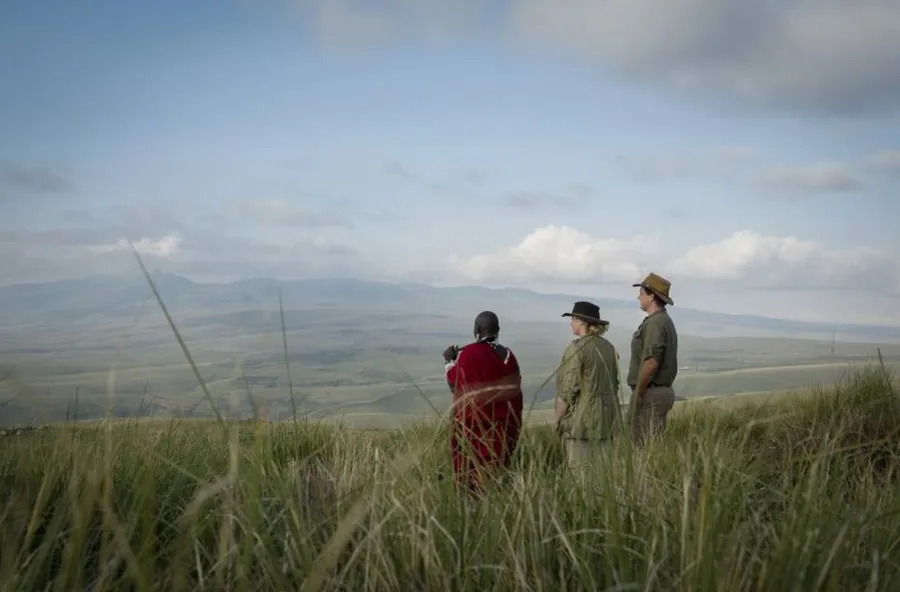
Three days of game drives, then five on foot across the volcanic highlands to Empakai and down the Rift wall to Lake Natron. Donkeys carry the loads.
Hiking & Wildlife
 5 days
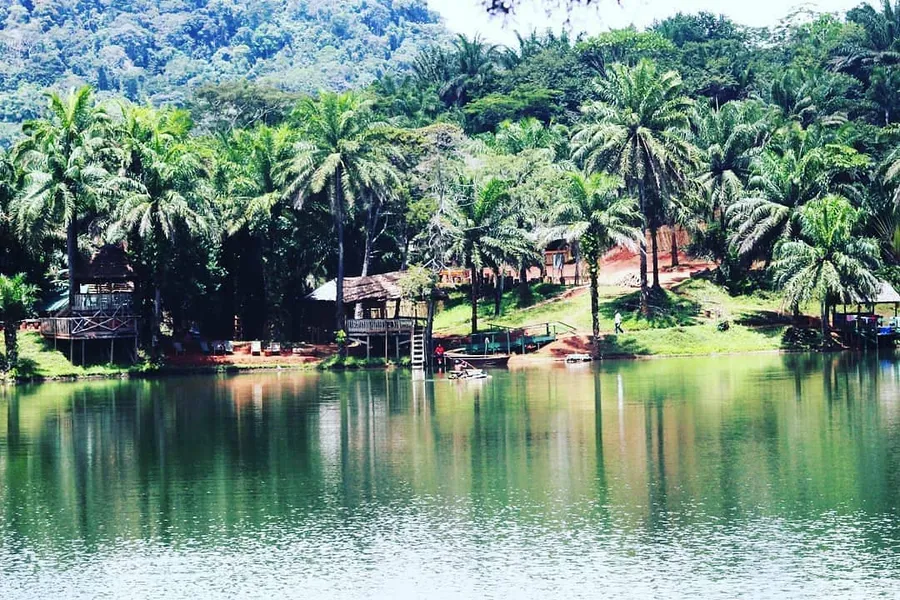
Forest first, coast second: a crater lake in the East Usambaras, then down through Pangani to the one national park on the Indian Ocean.
Hiking & Wildlife
Tell us what you would keep, what you would drop and how long you have. We will send back a version that is yours.
Copyright © 2026 Terra Tanganyika, All rights reserved. Photograph credits